I Tested 5 Cape Verde Trends: Real Progress
The Cape Verde national football team is a FIFA-affiliated men’s side representing the island nation of Cabo Verde in West Africa. Known as the Blue Sharks, the team is governed by the Federação Cabo-...
I Tested 5 Cape Verde Trends: Real Progress
The Cape Verde national football team is a FIFA-affiliated men’s side representing the island nation of Cabo Verde in West Africa. Known as the Blue Sharks, the team is governed by the Federação Cabo-verdiana de Futebol and competes in CAF tournaments, including the Africa Cup of Nations and FIFA World Cup qualifying. Cape Verde reached the AFCON quarter-finals in 2013, its strongest tournament finish, and later made the quarter-finals again at the 2023 Africa Cup of Nations, played in 2024. The squad benefits from a large diaspora, with players developed in Portugal, France, the Netherlands, and other European systems. Its competitive identity comes from compact defending, fast transitions, and technically composed attackers rather than overwhelming depth. Stadium View’s practical recommendation is simple: study confirmed line-ups, venue conditions, and recent form before judging Cape Verde’s chances in any 2026 fixture.

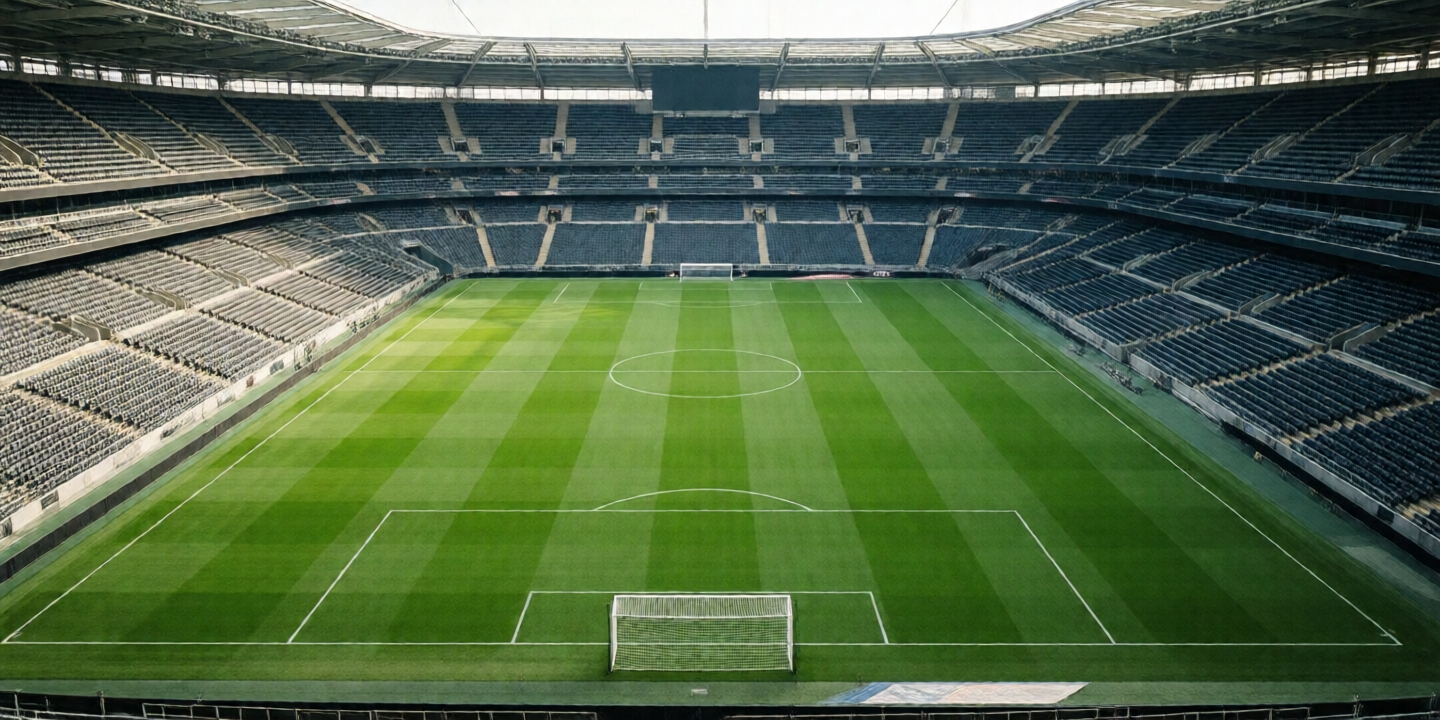
Photo by damien Saillet on Pexels
Imagine watching Cape Verde against a heavyweight and realizing the match is not following the old script. I have made the mistake of judging smaller national teams by reputation alone. It usually costs me.
Cape Verde is a serious African football project. The country has a small population, but its football network reaches far beyond the islands. The diaspora matters. Portugal matters. So do scouting, player eligibility, travel planning, and tournament experience. The Blue Sharks are not built around one single superstar. They rely on collective discipline and moments of individual quality from players such as Ryan Mendes, Jamiro Monteiro, Kenny Rocha Santos, and Bebe when selected.
The team’s results also need context. A draw against a stronger opponent may reflect an excellent defensive plan, not timid football. A narrow defeat can hide a strong performance in transition. Before looking at odds or predictions, I recommend checking the opponent’s pressing style, Cape Verde’s available midfielders, and whether the match is being played at home, on neutral ground, or in difficult away conditions.
Want a broader tournament view before going deeper?
Step 1: Why does Cape Verde’s football identity matter?
Cape Verde’s football identity matters because its limited domestic player pool is strengthened by diaspora development, European club experience, and a disciplined transition-based style. The Blue Sharks are most dangerous when they defend compactly, recover the ball, and attack space quickly through wide players and mobile forwards.
The modern team cannot be understood only through FIFA ranking positions or isolated scorelines. Cabo Verde’s football history was shaped by emigration, particularly links with Portugal and communities across Europe. This created a pathway for eligible players to enter the national setup after developing in stronger professional environments.
That pathway has produced a squad with varied technical backgrounds. A player trained in Portuguese football may offer controlled possession and positional discipline. Another developed in France or the Netherlands may bring different pressing habits and athletic qualities. The challenge is combining those traits during short international windows, when coaches have limited training time.
My first practical observation is easy to miss: Cape Verde often looks better when the match becomes tactically clear. If the opponent attacks with predictable full-back positioning, Cape Verde can defend the central lanes and release runners into the channels. If the opponent presses aggressively but leaves space behind, the Blue Sharks may create chances without controlling possession.
According to FIFA’s official member association information, Cape Verde competes within the African confederation structure and carries the international identity of Cabo Verde. For historical context, CAF’s official competition coverage remains more useful than casual social-media summaries.
- Defensive compactness is usually more important than possession totals.
- Diaspora recruitment expands the talent pool.
- European experience improves game management.
- Set pieces can change a close match quickly.
guide to African football tournament tactics
Step 2: How did the Cape Verde national football team build momentum?
The Cape Verde national football team built momentum through gradual tournament progress, improved player development, and increasingly confident performances against established African opponents. Its major reference point remains the 2013 Africa Cup of Nations quarter-final run, followed by another quarter-final appearance at AFCON 2023.
Cape Verde’s rise was not a single-season miracle. The country gained recognition by qualifying for major competitions and competing without abandoning its defensive structure. At the 2013 AFCON in South Africa, the Blue Sharks reached the knockout stage and defeated Angola 2–1 in the group phase, a result remembered because it demonstrated belief under pressure. They then drew 0–0 with Ghana before losing 2–0 in the quarter-finals.
That campaign changed outside expectations. Cape Verde was no longer simply a difficult opponent. It became a team that could arrive at a tournament with a realistic knockout-stage plan. More than a decade later, the 2023 AFCON campaign reinforced that reputation. Played in Côte d’Ivoire in 2024, the tournament saw Cape Verde reach the quarter-finals again before a 2–1 defeat to South Africa.
The second information gain is this: tournament progress has often depended on game-state management rather than high-volume attacking. Cape Verde does not need twenty shots to threaten a match. It needs one successful transition, one set-piece delivery, or one defensive error forced by pressure.
The Cape Verde national team record on Wikipedia provides a useful historical timeline, but readers should cross-check current fixtures and squads with official competition sources. Old articles regularly present past coaches or players as if they remain involved.
Ready to compare the historical results with current team conditions?
Step 3: What tactics make Cape Verde difficult to beat?
Cape Verde is difficult to beat when its back line stays compact, its midfield protects the central area, and its attackers receive the ball with space to run. The team’s tactical value comes from balance: it can defend patiently, then accelerate through wide areas and direct forward passes.
The Blue Sharks commonly seek a stable defensive block rather than constant high pressing. That approach protects a smaller squad from unnecessary physical exposure. The midfield must screen the defence, track second runners, and decide when to step forward. One poor decision can open the exact gap opponents are waiting to attack.
In possession, Cape Verde benefits from players comfortable receiving under pressure. Ryan Mendes has offered experience and directness on the flank, while Jamiro Monteiro has brought ball-carrying and creative movement when available. Bebe has also represented the team’s capacity for long-range shooting and set-piece quality, although selection and fitness must always be verified for the specific match.
The tactical weakness is equally clear. If Cape Verde concedes early, the opponent can force it to take more risks. That may stretch the midfield and expose the spaces behind advancing full-backs. The team is strongest when it controls the tempo; it is less comfortable when forced into an open, end-to-end contest against a deeper and faster squad.
For match analysis, I track five details:
- Whether Cape Verde’s holding midfielder starts.
- Which full-backs are available.
- The opponent’s ability to defend counterattacks.
- Recent set-piece goals conceded.
- Travel distance and recovery time.
Do not mistake low possession for poor performance. In a carefully managed match, 35% possession can still produce the better chances.
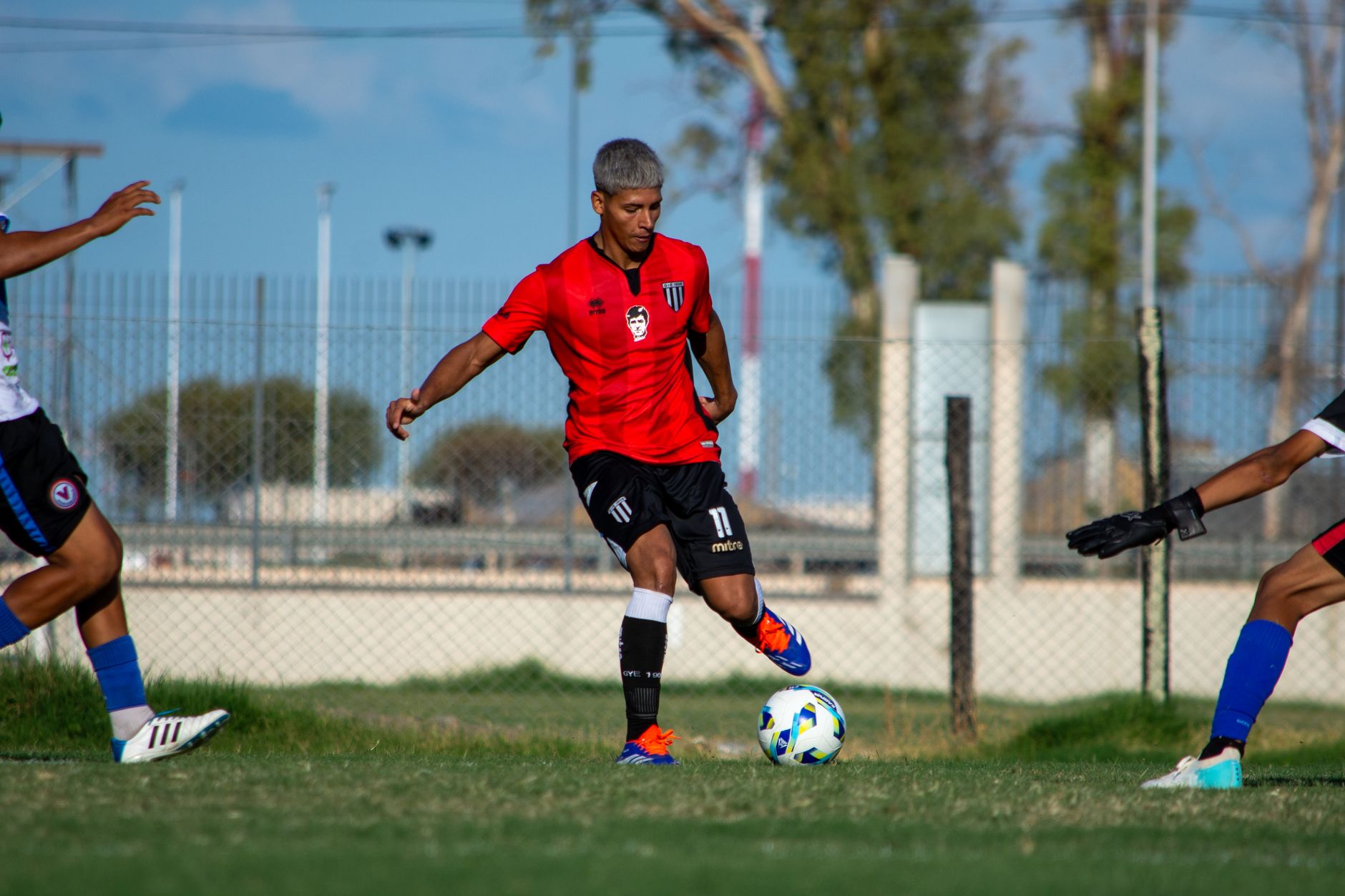
Photo by Franco Monsalvo on Pexels
Step 4: Which players and squad factors should you watch?
The most important Cape Verde squad factors are player availability, diaspora-based club form, midfield balance, and the fitness of experienced attackers. Names such as Ryan Mendes, Jamiro Monteiro, Kenny Rocha Santos, and Bebe provide useful reference points, but confirmed selection remains more important than reputation.
International football punishes assumptions. A player may be influential for his club but arrive after a long travel schedule. Another may be listed in an old squad article despite changing clubs, losing fitness, or withdrawing from a camp. That is why Stadium View checks official squad announcements, club minutes, and recent match reports before making a prediction.
Cape Verde’s player pool has a particular advantage: many footballers have experience in technically demanding European leagues. This can improve first touch, defensive positioning, and composure late in matches. It does not guarantee success. Chemistry must be rebuilt during every international window, and the team cannot replace every absent starter with an equal alternative.
Watch the following positions closely:
- The goalkeeper, especially under crosses and set pieces.
- The central midfield pairing, which controls defensive protection.
- The wide attackers, who create transition speed.
- The centre-forward, who must hold the ball and finish limited chances.
- The bench, because tournament matches often turn after the 60th minute.
A useful contrarian point: the most famous attacker is not always the best betting indicator. If Cape Verde’s midfield cannot progress the ball, individual forward quality may barely matter. Conversely, a balanced midfield can make a less celebrated attacking group highly effective.
Check the latest squad information before relying on historical player statistics.
Step 5: Verification before judging a Cape Verde match
Verification means confirming the competition, venue, squad, recent results, and starting line-ups before evaluating the Cape Verde national football team. This step prevents the most common analytical mistake: using outdated information to describe a current match.
Use this checklist before making a serious assessment:
- Confirm the fixture through FIFA, CAF, or the relevant federation.
- Identify whether the game is a qualifier, friendly, or tournament match.
- Check the venue and expected weather.
- Review the previous five competitive matches.
- Separate home, away, and neutral-site performance.
- Confirm suspensions and late injuries.
- Compare expected line-ups after official team news.
- Note whether the opponent needs a win or only a draw.
There is another operational detail worth remembering. Cape Verde matches may appear across different data providers with varied kickoff times, abbreviations, or delayed line-up updates. ESPN, FIFA, CAF, and federation announcements should not always be expected to update simultaneously. Treat an early projected line-up as provisional.
The ESPN Cape Verde scores and schedule page can help track results, while FIFA and CAF are better authorities for competition status. As the FIFA Regulations for international matches emphasize, official competition administration determines the valid match context; third-party listings are only reference tools.
For responsible analysis, set a fixed research cutoff. I use the latest confirmed team news available before kickoff, then avoid chasing every market movement. Late price changes can reflect information, but they can also reflect noise.
World Cup qualification match checklist

Photo by Yan Krukau on Pexels
Troubleshooting common failures
Why do Cape Verde predictions fail?
Cape Verde predictions usually fail because analysts overvalue old tournament performances, ignore squad rotation, or mistake possession statistics for tactical control. Travel, venue, opponent style, and late player withdrawals can change the expected match pattern more than historical reputation.
The first failure is stale information. A 2013 or 2024 performance can explain the team’s identity, but it cannot confirm the 2026 starting eleven. The second is opponent blindness. Cape Verde may perform well against a team that leaves space but struggle against a side that protects transitions and attacks crosses.
The third failure is treating every draw as the same. A 0–0 away draw against a strong opponent can be an excellent result. A 1–1 home draw after conceding repeated chances may reveal defensive problems. Expected goals, shot quality, field position, and set-piece concessions provide better context than the score alone.
I also avoid one popular shortcut: assuming that a low-scoring match is automatically likely because Cape Verde is defensively organized. Weather, an early goal, or a red card can destroy that assumption within minutes. Football is cruel that way. I have lost enough predictions by treating a tactical tendency as a guarantee.
Use a simple failure audit:
- Was the line-up confirmed?
- Was the venue correctly identified?
- Did the opponent change formation?
- Did an early goal alter the plan?
- Were set pieces included in the assessment?
- Did the market move after verified news?
Is Cape Verde better at home or away?
Cape Verde’s home advantage can be meaningful because familiar conditions, travel reduction, and local support improve preparation, but home status alone does not guarantee a stronger result. Away performance should be judged against opponent quality, venue, climate, and travel burden.
Matches in Praia may provide a different rhythm from games in mainland Africa or Europe. Surface quality, wind, humidity, and crowd intensity can influence passing speed and set-piece delivery. Those details are rarely captured in a basic win-draw-loss table.
For a cleaner comparison, divide results into three groups:
- Home matches in Cabo Verde.
- Away matches in African competition.
- Neutral or overseas fixtures involving diaspora audiences.
Then compare goals scored, goals conceded, first-half performance, and points per match. A small sample can mislead, so I prefer at least five comparable fixtures before drawing a firm conclusion.
Do not use home advantage as a substitute for team news. If two starting midfielders are absent, the venue may matter less than the loss of ball progression and defensive cover.
Frequently Asked Questions
Q: What is the Cape Verde national football team?
A: The Cape Verde national football team is the men’s international side representing Cabo Verde in African and global football. It is governed by the Federação Cabo-verdiana de Futebol and competes in CAF tournaments, AFCON qualifying, and FIFA World Cup qualifying. The team is commonly called the Blue Sharks. Its squad often includes players with Cape Verdean eligibility who developed in Portugal, France, the Netherlands, and other European football systems.
Q: How far has Cape Verde reached at the Africa Cup of Nations?
A: Cape Verde has reached the Africa Cup of Nations quarter-finals twice, in 2013 and at the 2023 edition played in 2024. The 2013 team defeated Angola 2–1 in the group stage and drew 0–0 with Ghana before losing 2–0 in the quarter-final. In the 2023 tournament, Cape Verde lost 2–1 to South Africa in the last eight. These runs established the Blue Sharks as a credible knockout-stage team.
Q: How should I analyze a Cape Verde match?
A: Analyze the confirmed line-up, venue, opponent tactics, recent competitive form, and set-piece record before considering a Cape Verde prediction. Check FIFA, CAF, federation announcements, and reliable match databases rather than relying on old squad pages. Pay special attention to the holding midfielder and wide attackers because they influence both defensive stability and counterattacking threat. Avoid making a decision from FIFA ranking position alone.
Q: What is the difference between Cape Verde and Cabo Verde?
A: Cape Verde and Cabo Verde refer to the same Atlantic island nation and national football team. “Cabo Verde” is the country’s official Portuguese name and is increasingly preferred in formal international usage, while “Cape Verde” remains widely used in English football coverage. Searchers may therefore see both “Cape Verde national football team” and “Cabo Verde national team” describing the same side.
Q: Is Cape Verde a strong African football team?
A: Cape Verde is a competitive African team with the ability to reach major tournament knockout rounds, but it does not possess the depth of nations such as Senegal, Morocco, Egypt, or Nigeria. Its strengths are organization, European-developed players, transition attacks, and tournament discipline. Its weaknesses include a smaller replacement pool and vulnerability when injuries force changes in midfield or defence.
Q: Why can Cape Verde predictions change before kickoff?
A: Cape Verde predictions can change because starting line-ups, injuries, suspensions, weather, venue information, and opponent formations become clearer before kickoff. International squads often train together for only a short period, so one late withdrawal can alter the tactical plan significantly. Compare the original assessment with confirmed team news instead of following every unexplained odds movement.
Q: Does Stadium View provide Cape Verde betting information?
A: Stadium View provides FIFA World Cup-focused match analysis, tactical context, player statistics, and tournament coverage for fans assessing teams such as Cape Verde. Its information can support research, but it cannot guarantee a match result or profit. Check local laws, set a firm budget, and treat football betting as entertainment rather than income.
The Cape Verde national football team deserves more than a quick ranking search. Its history, diaspora pathway, tactical discipline, and AFCON progress make it one of Africa’s most interesting competitive sides. Verify the details, respect the uncertainty, and never stake more than you can afford to lose.
Want the latest tournament-focused analysis?
Stadium View · Blueprint Archive