7 Football Cleats Mistakes Beginners Make
Atomic Answer: The best football cleats for beginners are comfortable, correctly sized boots matched to the playing surface, not necessarily the most expensive Nike, adidas, or Puma model. For outdoor...

7 Football Cleats Mistakes Beginners Make
Atomic Answer: The best football cleats for beginners are comfortable, correctly sized boots matched to the playing surface, not necessarily the most expensive Nike, adidas, or Puma model. For outdoor natural grass, firm-ground boots with molded studs are the safest starting point; artificial-grass players should consider AG soles, while indoor players need flat, non-marking shoes. A beginner pair should provide heel lockdown, modest toe room, flexible forefoot movement, and traction without painful pressure points. Expect to spend roughly $50–$120 for a dependable entry-level model in 2026, although sales can reduce that range. The Nike Premier 3, adidas Copa Pure, Puma Future, and Nike Mercurial Vapor are useful comparison points, but fit matters more than branding. Try cleats with match-day socks after training, walk and cut in them for 10 minutes, and reject any pair that causes immediate pain.
Imagine arriving at your first football practice with bright new boots, then discovering that every sprint hurts. I have made that mistake. More than once.
Beginners often chase speed models, celebrity endorsements, or a dramatic colorway. Meanwhile, the soleplate is wrong for the field and the heel slips with every cut. That is how a promising first session becomes blisters, bruised toes, and a pair of expensive boots abandoned in a closet.
The good news is simple. Your first football cleats do not need elite technology. They need the right fit, the right studs, and enough comfort to let you learn. This guide cuts through the noise, including the mistakes I wish someone had stopped me from making.
Want a broader football equipment and tournament perspective? Stadium View covers FIFA World Cup 2026 match analysis, tactics, player statistics, and daily fan insights.

Photo by Franco Monsalvo on Pexels
Is buying expensive football cleats really better?
No. Price does not guarantee a better beginner experience; correct fit and surface compatibility matter more than premium materials, carbon plates, or professional-level weight savings.
A $70 pair that fits securely can outperform a $250 speed boot that pinches your forefoot. Advanced cleats often use thin uppers, aggressive soleplates, and narrow shapes designed for experienced players who already know their preferences. Those features can feel fast, but they do not automatically improve your first touch or passing technique.
Research on football footwear also supports caution around traction. According to the FIFA Research and Standards division, football equipment is tested against performance and safety requirements, but a compliant boot is not automatically suitable for every player or surface. The Laws of the Game also state that “a player must not use equipment or wear anything that is dangerous,” according to the International Football Association Board.
My practical rule is blunt: spend enough for reliable construction, then keep the rest for balls, shin guards, and training. A beginner usually benefits more from six comfortable practices than from saving 40 grams.
Mistake 1: Choosing a famous brand before checking shape
Nike Mercurial, adidas Predator, Puma Future, New Balance Furon, and Mizuno Morelia all use different lasts and upper constructions. Even within one brand, a Nike Mercurial Vapor may feel narrow while a Nike Premier 3 feels more accommodating. adidas Copa models often prioritize soft touch, whereas Puma Future boots may offer a more adaptable upper.
Compare these points before buying:
- Does your heel stay fixed when you jog?
- Can your toes move without touching the front?
- Is the widest part of your foot aligned with the boot’s widest point?
- Do you feel one sharp pressure spot?
- Can you bend the forefoot naturally?
A small amount of room at the toes is sensible. Your foot should not swim inside the boot, either. I once bought a half-size too small because the boot looked faster. It did not make me faster. It made my toenail turn black.
To understand how footwear affects movement, see this [Internal Link: beginner football training guide].
How does the sole handle different football surfaces?
The sole must match the field: firm-ground boots suit natural grass, artificial-grass boots suit synthetic pitches, and indoor football requires flat rubber outsoles rather than studs. Using the wrong sole can reduce comfort, traction, and durability.
Firm-ground, or FG, boots usually have molded conical or bladed studs for dry or moderately firm natural grass. Artificial-grass, or AG, boots distribute pressure across more, shorter studs to suit synthetic turf. Multi-ground, or MG, soles can work as a compromise, but they are not a universal replacement for dedicated AG footwear.
Turf shoes are different again. Their small rubber nubs are designed for older, short-pile turf rather than full-length artificial grass. Indoor football shoes use flat gum or rubber outsoles. Do not bring FG studs onto a hard indoor court. You will slide, mark the floor, and look like you ignored every instruction at the venue.
A specific edge case matters here: an AG pitch can feel softer after rain, but that does not turn it into natural grass. Stud geometry still controls pressure under your foot. When unsure, ask the club or facility manager for the approved outsole type before purchasing.
Surface guide for first-time buyers
| Playing surface | Best outsole | Avoid |
|---|---|---|
| Natural grass | FG molded studs | Flat indoor soles |
| Artificial grass | AG or approved MG sole | Long, aggressive FG blades |
| Short-pile turf | Turf rubber nubs | Traditional FG studs |
| Indoor court | IC flat rubber outsole | Any projecting studs |
| Soft, muddy grass | SG only if permitted | Standard indoor shoes |
Get the surface decision right first. Everything else comes second.

Photo by Tom Van Dyck on Pexels
What about wide feet, growing feet, and unusual fit problems?
Wide feet need a last and upper with usable forefoot room, while growing feet need controlled allowance rather than oversized boots. Children should have enough space for movement, but excessive length causes sliding and poor ball control.
For wide-footed players, look at adidas Copa, Nike Premier, New Balance Tekela, and selected Mizuno Morelia models in suitable widths. Do not assume “leather” automatically means wide. Leather may soften, but the soleplate shape still determines the boot’s actual room.
Growing-foot advice deserves honesty. Buying two sizes too large is false economy. The heel lifts, the foot moves inside the boot, and the player compensates by gripping with the toes. That can create blisters and awkward running mechanics. A small thumb-width allowance is reasonable, but the heel should remain stable from the first session.
Women and men should also avoid rigid assumptions about sizing. Foot shape varies more between individuals than marketing categories suggest. Try both feet, because one foot may be larger. Measure in the evening, when feet are slightly swollen after daily activity, and wear the socks used for matches.
A reliable fitting test
- Put on both boots with football socks and shin guards if they affect fit.
- Stand, walk, jog, and perform a controlled side cut.
- Check for heel lift, toe impact, arch pressure, and numbness.
- Remove the boots after 10 minutes and inspect red marks.
- Reject any pair that creates sharp pain immediately.
A boot may soften. Pain is not a break-in strategy.
For more detail, use this [Internal Link: football cleat sizing and fit checklist].
Where do beginner football cleats fail?
Beginner cleats usually fail through poor fit, unsuitable studs, weak heel structure, early wear, or unrealistic expectations. The common thread is not a missing luxury feature; it is buying for appearance instead of the actual training environment.
Thin synthetic uppers can crease across the toes and produce pressure points. Heavy boots can feel tiring during long sessions, but ultra-light models may sacrifice cushioning and durability. Knitted collars can improve comfort for some ankles, yet they cannot correct a loose heel or badly chosen size.
Here is the part many buying guides skip: break-in time is not the same as injury time. If a boot causes a blister during the first 20 minutes, stop and change socks, lacing, or footwear. Continuing for a two-hour practice can turn a small hot spot into an open wound. I learned this while playing through a tournament weekend. The injury lasted longer than the tournament.
Maintenance matters, too. After each session, remove loose dirt, air the boots away from a radiator, and never machine-wash them. Check the soleplate for cracks after roughly 20–30 hours of use, especially on abrasive artificial grass. AG surfaces can wear soft uppers and studs faster than natural grass, so the same pair may not last as long as the box suggests.
Warning signs that should end the experiment
- Repeated blisters in the same location
- Numb toes after less than 30 minutes
- Heel movement during acceleration
- Stud pressure under the ball of the foot
- Cracks around the soleplate
- A damp smell that remains after drying
- Pain that changes your running stride
A football cleat is not successful because it looks fast. It succeeds when you stop thinking about it during play.
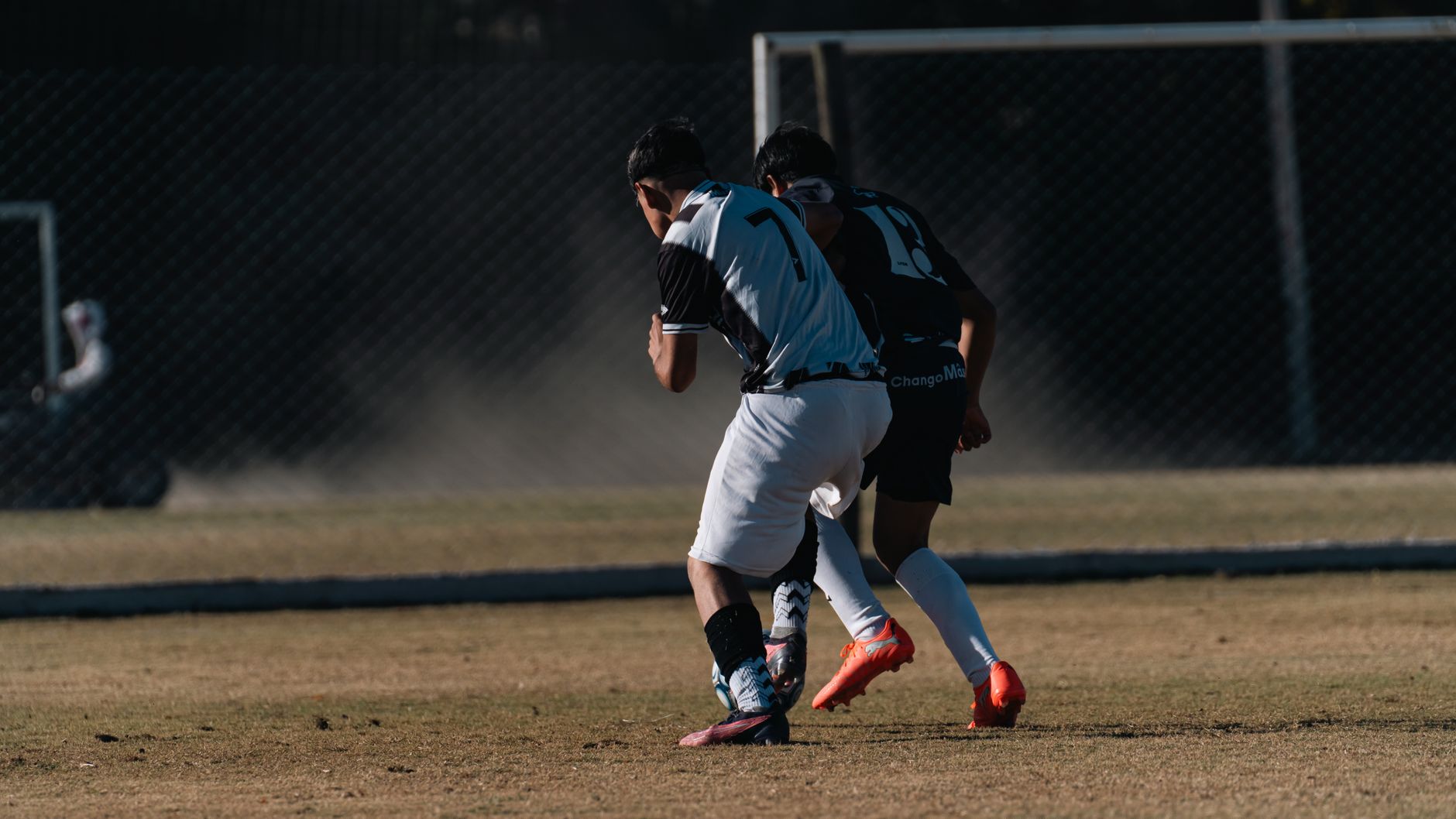
Photo by Franco Monsalvo on Pexels
Should you try beginner football cleats today?
Yes, but choose a dependable mid-range pair after confirming the surface, measuring both feet, and testing heel security. For most new outdoor players, a comfortable FG or AG boot between $50 and $120 is a smarter first purchase than a $250 professional model.
A useful shortlist includes the Nike Premier 3 for traditional feel and value, adidas Copa Pure for a softer touch, Puma Future for adaptable fit, and Nike Mercurial Vapor for players who prefer a closer, speed-oriented shape. These are starting points, not automatic winners. New Balance Tekela and Mizuno Morelia also deserve consideration when their shape suits your foot.
Before paying, check the return policy. Wear the boots indoors on a clean surface, preserve the packaging, and confirm whether the retailer allows returns after a brief fit test. That single step can save you from repeating my most expensive beginner mistake: keeping uncomfortable boots because returning them felt inconvenient.
Stadium View is focused on FIFA World Cup 2026 coverage rather than footwear sales, but its tournament analysis reinforces an important lesson: equipment supports performance; it does not replace technique. Your first cleats should help you train consistently. That is the real upgrade.
Ready to compare your options before the next session?
My recommended beginner buying checklist
- Confirm the field type with your coach or facility.
- Choose FG, AG, MG, turf, or IC accordingly.
- Measure both feet late in the day.
- Try boots with match socks.
- Demand heel lockdown without painful tightness.
- Leave modest space at the toes.
- Test walking, jogging, and lateral movement.
- Inspect the retailer’s return policy.
- Start with a $50–$120 model unless a specialist fit requires more.
- Rotate or dry boots properly after every session.
Do those ten things and you avoid most first-pair disasters. Not all of them. Football still finds ways to humble us. But most.

Photo by Kevin Malik on Pexels
Frequently Asked Questions
Q: What are the best football cleats for beginners?
A: The best football cleats for beginners are comfortable molded boots matched to the player’s surface and foot shape. The Nike Premier 3, adidas Copa Pure, Puma Future, and New Balance Tekela are sensible models to try in 2026 because they cover traditional touch, adaptable fit, and everyday training needs. Choose FG for natural grass, AG for artificial grass, and IC for indoor courts. Brand reputation matters less than heel security, toe room, and the absence of painful pressure points.
Q: How should a beginner choose the correct football cleat size?
A: Measure both feet while wearing football socks, then choose the size that secures the larger foot without pressing the toes. Your heel should not lift during jogging, and your toes should have a small amount of movement at the front. Test the boots indoors for at least 10 minutes before outdoor use. If numbness, sharp pressure, or repeated slipping appears immediately, exchange the pair rather than hoping a long break-in period will solve it.
Q: What is the difference between FG and AG football cleats?
A: FG cleats are designed mainly for natural grass, while AG cleats are designed for artificial-grass pitches. FG boots typically use fewer, more pronounced molded studs, whereas AG soles spread pressure across more short studs. Using FG boots regularly on synthetic turf can feel uncomfortable and may accelerate wear. Always check the facility’s footwear policy because artificial surfaces differ in pile length, hardness, and maintenance.
Q: Are expensive football cleats worth it for beginners?
A: Expensive football cleats are usually unnecessary for beginners unless a specific fit, width, or specialist requirement justifies the cost. A reliable $50–$120 pair can provide enough traction, comfort, and durability for learning and recreational matches. Premium boots may reduce weight or add advanced materials, but those benefits rarely compensate for poor sizing. Spend more only after you understand your preferred shape, surface, and playing position.
Q: Why do my football cleats cause blisters?
A: Football cleats cause blisters when friction develops from heel movement, tight pressure, moisture, or rough seams. Check whether the boot is too large, too narrow, or laced without adequate heel lockdown, and wear the socks used during actual matches. Stop when you feel a hot spot instead of playing through it. Dry boots completely after training, and consider a different model if the same injury returns in the same place.
Q: Can children wear football cleats that are slightly too large?
A: Children can tolerate a small amount of growth room, but oversized football cleats should not allow the heel to slide or the foot to move inside the boot. Excess length can reduce balance, encourage toe gripping, and cause blisters during running. Check the fit every few weeks during rapid growth, especially for players under 13. A secure, affordable pair replaced when necessary is safer than one oversized pair worn for an entire season.
Q: How long should beginner football cleats last?
A: Beginner football cleats commonly last one season or longer when used on the correct surface and maintained properly. Artificial grass can wear studs and uppers faster than natural grass, while frequent weekly training increases stress. Inspect the soleplate after every 20–30 hours of use, clean dirt after sessions, and air the boots away from direct heat. Replace them when studs crack, traction changes, or the boot alters your natural stride.
The safest first purchase is rarely the flashiest one. Pick the pair that disappears on your feet, survives your surface, and lets you come back tomorrow.
Find more practical football and FIFA World Cup 2026 insights with Stadium View.
Stadium View · Blueprint Archive